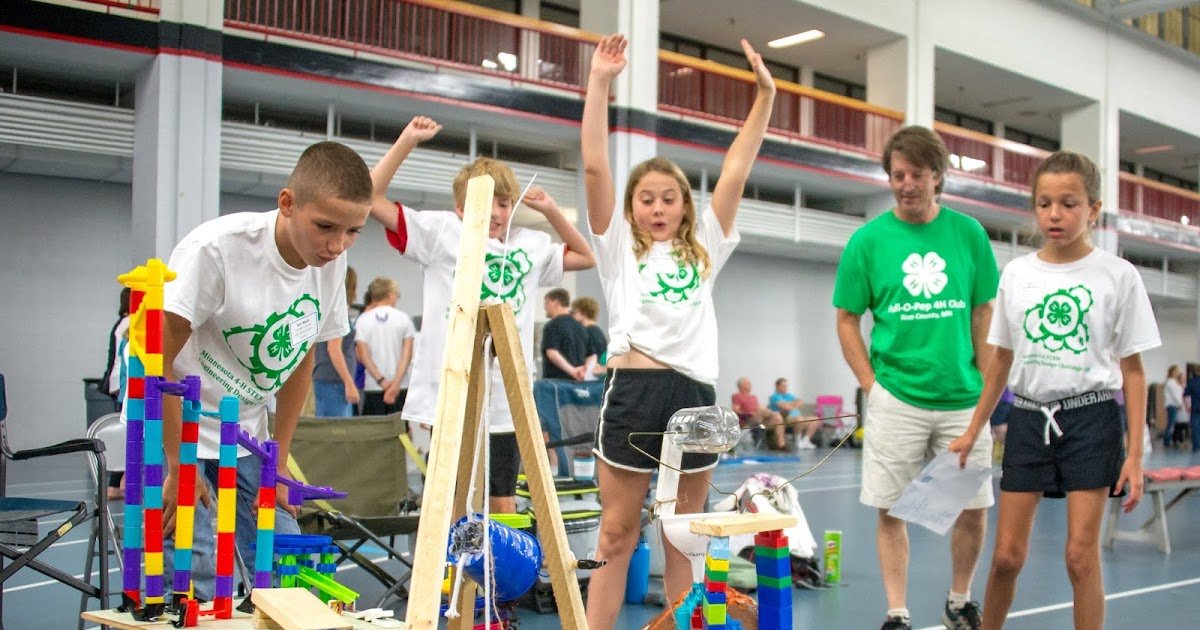
Charting the Course: Why Investing in Youth Development Fuels Tomorrow's Prospects
The future isn’t just something that happens to us; it's something we actively build, brick by brick, through the lives of our young people. When we talk about Youth Development & Future Prospects, we're not just discussing job training or academic scores. We're delving into a holistic journey—a comprehensive approach that nurtures every facet of a young person's growth, from their social-emotional well-being to their civic engagement. It's about empowering them to navigate an increasingly complex world, contribute meaningfully, and ultimately, thrive.
This isn't merely a feel-good endeavor; it's an economic imperative and a societal cornerstone. A recent 2025 report, "The Future of Youth Development: Building Systems and Strengthening Programs," highlights a growing recognition of this fact, particularly within Out-of-School Time (OST) programming across the U.S. Meanwhile, a global research compilation by Qi, Chen, and Lu (set for Applied Research Quality of Life, 2025) paints a similar picture for Positive Youth Development (PYD) initiatives worldwide. Both underscore a critical truth: our collective investment in youth today directly dictates the strength and resilience of our communities tomorrow.
At a Glance: Key Takeaways for Youth Development
- Holistic Approach is Key: True youth development goes beyond academics, encompassing social, emotional, cognitive, physical, and civic growth.
- Programs are Evolving: Out-of-School Time (OST) and Positive Youth Development (PYD) programs are becoming more diverse, culturally responsive, and evidence-based.
- Investment is Growing, but Demand Outpaces: Public and private funding has increased, yet community need for high-quality programs is even greater.
- Strong Systems are Essential: Effective programs require stable funding, trained staff, robust organizational capacity, and coordinated policy efforts.
- Cultural Responsiveness is Non-Negotiable: "One-size-fits-all" solutions fall short; programs must be tailored to local cultures, needs, and address intersectional disparities.
- Collaboration Fuels Success: The most impactful initiatives involve partnerships between educational institutions, non-profits, government, and families.
- Evaluation is Crucial: Ongoing, systematic assessment ensures effectiveness, accountability, and continuous improvement for youth programs.
Beyond the Playbook: Why Youth Development Isn't Just "Nice to Have"
For too long, youth programs were viewed through a lens of deficit—focused primarily on preventing negative behaviors or filling educational gaps. While intervention is undoubtedly crucial, the paradigm has shifted dramatically. Today, the emphasis is on Positive Youth Development (PYD), a holistic framework that champions young people's inherent strengths, cultivates essential life skills, fosters social-emotional competencies, and builds resilience. It’s about empowering them to flourish, not just survive.
This shift, which has gained significant global momentum over the past two decades, is a direct response to the multifaceted challenges young people face—from the complexities of mental health issues to persistent socio-economic disparities. As Qi, Chen, and Lu's forthcoming global research details, PYD aims to equip youth with the tools to navigate these challenges, develop a strong sense of self-efficacy (the belief in one's ability to succeed), and unlock their full potential. It's a proactive investment in their capacity to become healthy, productive adults.
The Powerhouse of Out-of-School Time (OST) Programs
A cornerstone of modern youth development is the rise and evolution of Out-of-School Time (OST) programs. These aren't simply after-school babysitting services; they are dynamic, intentional environments designed to enrich learning, foster social skills, and provide safe spaces during non-school hours. The 2025 "Future of Youth Development" report sheds light on just how varied these programs have become, spanning diverse settings, programming types, and demographic reach across the U.S.
Crucially, the report notes a significant shift towards greater cultural responsiveness within OST. This means programs are increasingly designed to reflect and honor the backgrounds, traditions, and unique needs of the young people they serve, making them far more engaging and effective. OST programs offer invaluable opportunities for exploration, mentorship, skill-building, and peer interaction—all critical ingredients for nurturing a young person's future prospects. While public and private funding for OST has increased, so too has community demand, highlighting an ongoing need for expansion and enhanced quality.
Building a Strong Foundation: Key Goals for Effective Programs
You can have the best intentions, but without a robust infrastructure, even the most innovative youth development programs can falter. The 2025 OST report outlines six key goals essential for building a truly impactful and sustainable system:
1. Supporting Stable OST Funding
Think of funding as the lifeblood of any program. Without consistent, predictable financial support, programs struggle to plan long-term, retain staff, or innovate. Policymakers and funders play a crucial role in creating sustainable funding streams, moving beyond year-to-year grant cycles toward multi-year commitments. This stability allows organizations to focus on what matters most: the youth.
2. Supporting Local OST Intermediaries
Local intermediaries are the unsung heroes of the youth development landscape. These organizations act as hubs, providing technical assistance, training, quality assurance, and coordination for a network of local programs. They bridge the gap between policy and practice, ensuring resources and best practices reach the frontline workers. Investing in these intermediaries strengthens the entire ecosystem.
3. Advancing Program Quality
Quality isn't accidental; it's built by design. High-quality programs are those that consistently deliver positive outcomes for youth. This involves using evidence-based practices, rigorous curriculum design, and creating an environment that is safe, supportive, and stimulating. Quality improvement isn't a one-time fix but an ongoing process of assessment and refinement.
4. Supporting Youth Development Practitioners
The people directly working with youth are the heart of any program. Attracting, training, and retaining skilled practitioners is paramount. This means offering competitive wages, professional development opportunities, and creating supportive work environments. A stable, well-trained workforce is directly correlated with higher program quality and better outcomes for youth.
5. Broadening Understanding of OST Programs
Many people still have a limited view of what OST programs truly offer. There's a need to better communicate their breadth, impact, and value to parents, community leaders, and the public. Raising awareness helps secure community buy-in, increases participation, and advocates for continued investment. It's about telling the story of transformation.
6. Improving Understanding of Program Outcomes
If we don't measure impact, how do we know what works? This goal emphasizes the need for rigorous evaluation to understand which programs achieve their intended outcomes and for whom. Clear metrics, data collection, and sharing findings are essential for accountability, informing future investments, and refining best practices. It's about demonstrating real-world results.
Crafting Programs That Truly Connect: The Art of Quality & Inclusivity
While the six goals above lay out the operational framework, the true magic happens in the design and delivery of programs.
The Core of Program Quality: Beyond the Checklist
High-quality youth development programs demand more than just good intentions. They require:
- Evidence-Based Interventions: The Qi, Chen, and Lu global research underscores the growing importance of evidence-based practices. This means using strategies and curricula that have been scientifically shown to be effective. It’s about moving beyond guesswork to proven methodologies.
- Cultural Responsiveness: This cannot be overstated. As the global PYD research cautions against a "one-size-fits-all" approach, successful interventions—especially those emerging in developing nations—are deeply informed by local cultures and community input. Programs must respect and integrate the unique identities, languages, and traditions of the youth they serve.
- Focus on Self-Efficacy: Empowering youth to believe in their own capabilities is fundamental. Programs should build opportunities for mastery, provide constructive feedback, and celebrate effort and progress. When young people feel competent, they are more likely to take on challenges and persevere.
Designing for Everyone: Intersectionality and Equity
The reality is that not all youth start on equal footing. Challenges like mental health issues and socio-economic disparities are often compounded by factors such as race, ethnicity, gender, and disability. The PYD research highlights the critical intersectionality of these societal issues and strongly advocates for inclusive and equitable programs specifically designed for marginalized youth.
This isn't about tokenism; it's about deeply understanding the systemic barriers and unique needs faced by different groups. For instance, programs for immigrant youth might incorporate language support and cultural navigation, while those for youth experiencing homelessness might prioritize stability and access to basic needs alongside developmental activities. Integrating community input directly from these populations ensures that programs are truly relevant and impactful.
You might think that setting up such nuanced programs can be as complex as understanding the intricacies of sports rules where a slight misstep can result in a significant consequence, much like all about direct red cards in a soccer match. Clear guidelines and thoughtful implementation are key to navigating these complexities successfully.
The Unsung Heroes: Supporting Youth Development Practitioners
Behind every successful youth program stands a dedicated team of practitioners. The 2025 OST report emphasizes that high-quality programs require a stable and trained workforce. Yet, these roles are often underpaid and lack sufficient professional development opportunities, leading to high turnover.
To truly foster Youth Development & Future Prospects, we must:
- Invest in Professional Development: Ongoing training in areas like trauma-informed care, cultural competence, positive behavior management, and specific content areas (e.g., STEM, arts) is crucial.
- Ensure Fair Compensation: Valuing the expertise of youth workers through competitive salaries and benefits signals that this profession is respected and vital.
- Create Supportive Work Environments: Providing supervision, mentorship, and opportunities for career advancement helps retain talent and prevent burnout.
Think of it this way: a coach can only guide their team effectively if they themselves are well-supported and equipped with the right skills and resources. Our youth development practitioners are no different.
Measuring What Matters: Proving Program Impact & Evolving
How do we know if our efforts are actually making a difference? The answer lies in rigorous, systematic evaluation. The PYD research calls for this as crucial for effectiveness, sustainability, and building a robust body of knowledge.
Beyond Anecdotes: Why Data is Your Best Friend
- Accountability: Funders, policymakers, and communities want to see tangible results. Robust evaluation provides the data needed to demonstrate the return on investment.
- Continuous Improvement: Data helps identify what's working well and what needs adjustment. It allows programs to adapt, refine their strategies, and become even more effective over time.
- Building the Knowledge Base: Documenting outcomes contributes to the broader field of youth development, informing future research, policy, and practice.
Despite this recognized need, research gaps persist, particularly concerning access to programs, engagement levels among diverse youth, specific indicators of program quality, and the long-term impact of staff development on youth outcomes. Filling these gaps requires a collaborative approach from researchers, practitioners, and funders.
Joining Forces: Why Collaboration is the Future
No single entity can tackle the vast undertaking of youth development alone. The PYD research points to increased collaboration among stakeholders—educational institutions, non-profits, government agencies, and families—as a critical future direction. Similarly, the OST report calls for greater investment and policy coordination.
Weaving a Stronger Net: The Power of Partnership
- Educational Institutions: Schools can partner with OST programs to align academic goals with enrichment activities, offering a seamless learning experience.
- Non-Profits and Community Organizations: These groups often have deep roots in the community and specialized expertise, making them ideal partners for program delivery and outreach.
- Government Agencies: Federal, state, and local governments are essential for policy development, stable funding, and creating supportive regulatory environments.
- Families: Engaging parents and guardians ensures that youth development efforts are reinforced at home, creating a consistent and nurturing ecosystem for young people.
Imagine a tapestry where each thread represents a different stakeholder. When woven together tightly and intentionally, the resulting fabric is far stronger and more resilient than any individual thread could be. This integrated, systematic approach is what truly expands access and improves the quality of youth development opportunities for all.
Your Role in Shaping Brighter Futures
Youth Development & Future Prospects isn't just an academic concept; it's a call to action. Whether you're a parent, educator, policymaker, funder, community leader, or concerned citizen, you have a vital role to play.
- As a Parent or Guardian: Seek out high-quality OST and PYD programs in your community. Advocate for your children's access to enriching experiences.
- As an Educator: Collaborate with OST programs to extend learning beyond the classroom. Share insights about student needs and strengths.
- As a Community Leader: Champion youth development initiatives. Help identify local needs and foster partnerships between organizations.
- As a Policymaker: Push for stable funding, evidence-based policies, and coordinated efforts across agencies. Prioritize investments that support the entire youth development ecosystem.
- As a Funder: Look beyond short-term projects. Invest in organizational capacity, practitioner development, and long-term evaluation to ensure sustainable impact.
- As a Program Practitioner: Commit to continuous learning, embrace culturally responsive practices, and contribute to the body of evidence through diligent data collection.
By understanding the holistic nature of youth development, supporting robust and equitable programs, and fostering powerful collaborations, we can collectively build a future where every young person has the opportunity not just to succeed, but to truly flourish. The investment we make in them today is the greatest promise we can offer for a vibrant, resilient tomorrow.